The Sunday Reset Checklist: 12 Small Tasks for a Calmer Week
Sunday evening has a particular feeling. The weekend is technically still here, but the week is already leaning against the door. For a lot of people that arrives as a low hum of dread — not because the week ahead is terrible, but because there are seventeen loose ends and no clear plan for any of them.
The answer is not a three-hour life overhaul. It is a handful of small jobs that take minutes each and quietly remove the friction from Monday morning. Twelve of them, to be exact, and none takes longer than fifteen minutes.
Work through the list in order, or pick the three that would make the biggest difference to you this week. Print it, stick it inside a cupboard door, and tick things off as you go. That is the whole method.
Clear the Decks: Three Tasks, Fifteen Minutes
A tidy room will not transform your character, but it does remove a hundred small distractions. Start with the spaces you touch first thing in the morning, not the rooms nobody sees.
- 1. Do a ten-minute surface sweep. Kitchen table, desk, hallway floor. Set a timer and stop when it rings, even if you are mid-pile. Carry a bag or a washing-up bowl with you and collect things as you go, rather than walking each item to its home individually.
- 2. Empty your bags and pockets. Receipts, old train tickets, a pen lid, three hair grips. Bin the rubbish, put the useful things back where they belong, and put anything that needs action on the surface you have just cleared.
- 3. Deal with the paper pile. Sort it into three stacks: act, file, bin. Most of it is bin. Anything in the act stack needs a date attached to it — either in your calendar or written on the top corner — otherwise it will simply migrate back to the table by Wednesday.
Get the Week Out of Your Head
Most Sunday anxiety is not caused by the week itself. It is caused by holding all of it in your head at once, with no way of telling what matters and what does not.
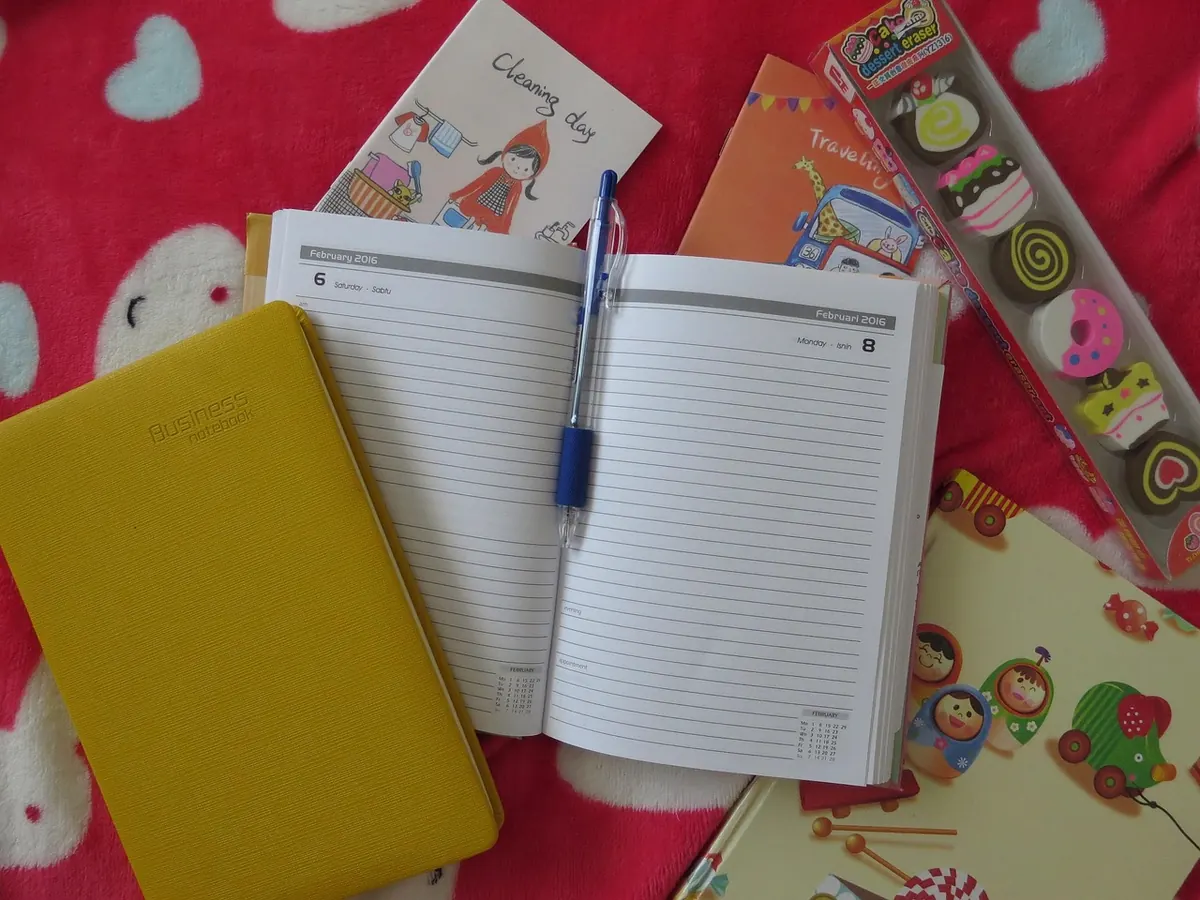
- 4. Do a full braindump. Open a notebook or a blank document and write down everything circling your mind. Work deadlines, the dentist appointment you have not booked, the birthday card you have not sent, the boiler service. Do not organise it and do not judge it. Just empty it out. Ten minutes is usually enough.
- 5. Choose three priorities for the week. Not thirty. Three. Write them at the top of the page, above everything else. The test is simple: if only these three things happened this week, would it count as a good one? If the answer is no, you have chosen the wrong three.
- 6. Read your calendar properly. Not a glance — an actual look at Monday through Friday. Check for clashes, back-to-back meetings, appointments that need travel time, and the day that is already overfull. Name that day now, so you can protect the evening before it.
Prep the Practical Stuff
This is the section that pays for itself by Tuesday. None of it is complicated; it is just easier to do on a Sunday than at 7.20am on a Wednesday.
- 7. Plan the food loosely. Three dinners is plenty. Pick meals you already know how to cook, check what is already in the fridge and the freezer, and build a single shopping list from what is missing. A loose plan you follow beats an elaborate one you abandon.
- 8. Sort clothes and kit. School uniforms, work shirts, PE kit, the gym bag that has been sitting by the front door since Wednesday. Put one load of washing on tonight rather than four on during the week. If you can, lay out tomorrow's clothes now.
- 9. Do five minutes of money admin. Check what is going out this week: direct debits due, bills to pay, a refund to chase, a subscription you meant to cancel. Five minutes of checking prevents the grim surprise of a declined card at a till. If money is a persistent source of worry rather than an occasional admin task, a checklist will not solve it — speak to a free, accredited debt advice service instead.
Protect the End of Your Weekend
A reset should leave you feeling lighter, not wrung out. These last three tasks are about the texture of the evening itself.
- 10. Book one thing to look forward to. A walk somewhere green, coffee with a friend, a film, an hour with a book. Put it in the calendar as an actual commitment. Having something to anticipate is one of the simplest ways to make a week feel less flat.
- 11. Decide when the day ends. Pick a time — nine o'clock, half nine, whenever suits — and treat it as a boundary. Phone on charge in another room if you can manage it. The scrolling does not rest you, even when it feels like it does.
- 12. Choose tomorrow's first task. Not the whole day. The first thing. The email you need to send, the form you need to fill in, the bag you need by the door. Knowing exactly where you are starting removes the foggy twenty minutes that so often swallows a Monday morning.
The point is not a perfect week. The point is arriving at Monday morning without a knot in your stomach.
How to Make the Reset Stick
Pick a regular slot, ideally after dinner on Sunday, and keep it the same each week. Set a timer for forty-five minutes in total and stop when it goes off. The unfinished corner of the kitchen can wait; the point is to build a habit you can repeat, not to complete a job properly.
Skip whatever does not apply to your life. If you have no children, ignore the PE kit. If you work from home, the commute-related tasks are irrelevant. A checklist is a menu, not a contract.
Two practical additions help more than any app: keep the list somewhere you will actually see it, and write the date at the top each time you use it. Seeing a run of dates builds a quiet sense of momentum.
The three-task version
Some Sundays there is no time and no energy, and that is fine. On those days, do this instead: clear one surface, braindump for five minutes, and look at the week's calendar. Three tasks, ten minutes, most of the benefit. If you are ill, grief-stricken, or coming to the end of a brutal stretch at work, do not run the checklist at all — rest is the more productive choice.
Then close the notebook, put the pen down, and go and do something you enjoy. The week will still be there in the morning. You will simply be meeting it from a better position.
Photo: Myriams-Fotos / Pixabay